

This one weird trick will not produce miracles (Acts 19)

Scriptural Roots of Anointing of the Sick


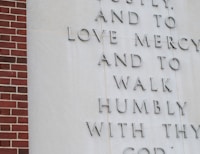
Photo by Matea Gregg on Unsplash
Where does the Bible speak of the sacrament of Anointing of the Sick?
The sacrament of Anointing of the Sick is alluded to in the Gospel of St. Mark and directly stated in the Epistle of Saint James.
In Mark 6 we read that Jesus “summoned the Twelve and began to send them out two by two… So they went off and preached repentance. They drove out many demons, and they anointed with oil many who were sick and cured them.” (Mark 6:7,12-13)
Likewise, when Jesus commissions the apostles at the conclusion of Mark’s Gospel, He tells them, “Go into the whole world and proclaim the gospel to every creature… Whoever believes and is baptized will be saved; whoever does not believe will be condemned. These signs will accompany those who believe: in my name they will drive out demons, they will speak new languages. They will pick up serpents [with their hands], and if they drink any deadly thing, it will not harm them. They will lay hands on the sick, and they will recover.” (Mark 16:15-18)
Both of these passages refer to physical healing of the sick, but we can see several elements of the sacrament - anointing with oil, laying hands, healing - at work.
In his epistle, James advises the faithful, “Is anyone among you sick? He should summon the presbyters of the church, and they should pray over him and anoint [him] with oil in the name of the Lord, and the prayer of faith will save the sick person, and the Lord will raise him up. If he has committed any sins, he will be forgiven. Therefore, confess your sins to one another and pray for one another, that you may be healed. The fervent prayer of a righteous person is very powerful.” (James 5:14-16)
This passage from James is a powerful and succinct description of the sacrament of Anointing of the Sick, and bears witness that the Church has practiced this sacrament from its earliest days. Note that James speaks of the spiritual healing coming from the sacrament rather than physical healing: “the prayer of faith will save the sick person, and the Lord will raise him up. If he has committed any sins, he will be forgiven.”
It might be helpful to look at the effects of the sacrament in light of the Bible passages above. The Catechism cites four effects of the sacrament of Anointing of the Sick:
1) The grace of strength, peace and courage to face one’s illness and death
2) Participation in the saving work of Jesus through the union of one’s suffering with the Lord’s passion
3) Contribution to the sanctification of the Church
4) Preparation for the final journey
Consistent with the Epistle of Saint James, the sacrament of Anointing of the Sick provides for the forgiveness of sins if the person is too ill to make a good confession (if the person is healthy enough, he or she would make their confession in the sacrament of Reconciliation before receiving Anointing of the Sick) (CCC, 1520-1523).
While the overall purpose of Anointing of the Sick is to provide for the spiritual healing of the recipient, the Catechism states that the sacrament can bring about “the restoration of [physical] health, if it is conducive to the salvation of his soul” (CCC, 1532).
A final word about when this sacrament should be received. The sacrament is not reserved for cases where death is certainly imminent, nor should it be received for the common cold. The Catechism (quoting canon law) states in 1514-1515:
“The Anointing of the Sick ‘is not a sacrament for those only who are at the point of death. Hence, as soon as anyone of the faithful begins to be in danger of death from sickness or old age, the fitting time for him to receive this sacrament has certainly already arrived.’
“If a sick person who received this anointing recovers his health, he can in the case of another grave illness receive this sacrament again. If during the same illness the person’s condition becomes more serious, the sacrament may be repeated. It is fitting to receive the Anointing of the Sick just prior to a serious operation. The same holds for the elderly whose frailty becomes more pronounced.”
Pray the Divine Mercy Chaplet every day for the salvation of souls.
About the Author